
Running a successful hospitality business requires more than great food, excellent service and a welcoming atmosphere. Behind every smooth operation is a reliable team that keeps everything running efficiently. However, staffing shortages remain a significant challenge for restaurants, pubs, bars, hotels and other hospitality venues across the UK.
Whether it’s a chef calling in sick before a busy dinner service, a bartender becoming unavailable during a weekend rush or a restaurant struggling to cover additional bookings, even one unfilled shift can create problems.
But the real cost of hospitality staff shortages goes far beyond an empty position on the rota. From lost revenue and increased employee pressure to declining customer satisfaction, staffing gaps can affect almost every aspect of a hospitality business.
Understanding these hidden costs is the first step towards building a more flexible and reliable staffing strategy.
Lost Revenue from Understaffed Shifts
One of the most immediate consequences of hospitality staff shortages is the potential loss of revenue. When a venue doesn’t have enough people available, its ability to serve customers efficiently can be affected.
A restaurant may need to reduce the number of available tables. A pub might struggle to serve customers quickly during a busy sporting event. A hotel may experience delays in preparing rooms for arriving guests.
These operational challenges can translate into missed sales opportunities.
For example, a restaurant operating below its required staffing level may have to limit bookings during its busiest service period.
The problem isn’t always a lack of customer demand. Sometimes, it’s simply a lack of available staff to meet that demand.
Having access to flexible hospitality workers can help venues respond to busy periods and unexpected staffing gaps without depending entirely on their permanent workforce.

Increased Pressure on Existing Employees
When a team member is unavailable, the remaining employees often have to absorb the additional workload.
Chefs may be required to manage extra kitchen responsibilities, waiting staff might cover more tables, and managers may need to step away from their usual duties to support daily operations.
While this can help temporarily, repeatedly operating with insufficient staffing can contribute to:
Employee fatigue and increased stress.
Reduced productivity during busy shifts.
Lower team morale.
Greater risk of mistakes.
Higher employee turnover over time.
Hospitality employees perform best when workloads are manageable and teams have the support they need.
Flexible staffing can provide additional support during demanding periods, helping businesses reduce unnecessary pressure on their core employees.
Poor Customer Experiences and Reputation Risks
Customer experience is at the heart of the hospitality industry.
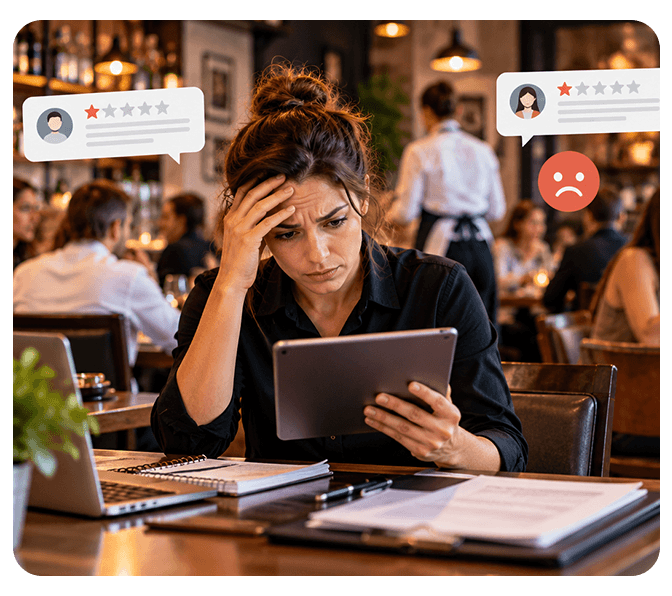
Guests expect timely service, quality food, clean facilities and attentive employees. However, when a venue is understaffed, maintaining these standards can become more difficult. Long waiting times, delayed orders and reduced attention to customers can affect the overall experience.
In today’s digital environment, dissatisfied customers can also share their experiences through online reviews and social media.
A single difficult shift does not necessarily damage a business’s reputation, but repeated service problems can influence customer loyalty and future bookings.
Maintaining appropriate staffing levels isn’t just an operational requirement. It’s an important part of protecting the customer experience and the venue’s reputation.
Higher Recruitment and Staffing Costs
Finding suitable hospitality workers can require considerable time and resources. Traditional recruitment often involves advertising vacancies, reviewing applications, conducting interviews and onboarding new employees.
These processes are valuable when hiring permanent team members, but they may not always be practical when a venue needs someone for a single shift.
Hospitality businesses may also rely on temporary staffing agencies to address urgent requirements. Agencies can play an important role, particularly when specialist support or managed staffing services are required. However, agency fees and other recruitment expenses can increase staffing costs. For venues regularly experiencing short-term staffing gaps, exploring additional recruitment options may provide greater flexibility.
Digital hospitality staffing platforms offer another approach by allowing businesses to connect directly with workers interested in available shifts.


The Hidden Cost of Management Time
Hospitality managers already balance multiple responsibilities, including customer service, team management, stock control, scheduling and operational performance.
When someone unexpectedly becomes unavailable, managers may spend valuable time trying to find a replacement. This can involve contacting employees, rearranging rotas, speaking with staffing providers or searching for available workers.
The administrative burden can be particularly challenging for businesses operating several locations. Time spent addressing urgent staffing problems is time that could otherwise be dedicated to improving operations, supporting employees and delivering better customer experiences.
Using a digital platform to publish shifts and manage applications can help make the staffing process more organised and direct.
Staffing Shortages Can Limit Business Growth
For growing hospitality businesses, staffing availability can influence expansion plans.
Opening additional locations, extending operating hours or accepting more bookings often requires reliable access to skilled hospitality workers.
Without an adaptable staffing strategy, businesses may struggle to respond confidently to new opportunities. This is especially relevant for multi-site restaurant groups, pub operators and hotel businesses managing different staffing requirements across multiple venues.
A flexible workforce strategy can complement permanent recruitment by giving businesses another way to respond to changing demand.
Rather than hiring additional permanent employees for every temporary increase in workload, venues can explore flexible staffing options when appropriate.

How UK Hospitality Venues Can Respond to Staffing Shortages
Although staffing challenges cannot always be avoided, businesses can take practical steps to improve workforce planning and operational resilience.
Plan Ahead for Busy Periods
Review previous booking patterns, seasonal trends, local events and expected customer demand.
Identifying potentially busy periods in advance can help managers schedule appropriate staffing levels.
Build a Reliable Core Team
Permanent employees remain essential to hospitality operations.
Investing in employee development, communication and retention helps create a stable foundation for the business.
Flexible staffing should support this core workforce rather than replace it.
Introduce Flexible Staffing Options
Not every staffing requirement needs a permanent recruitment solution.
Additional workers may be needed for weekend services, private events, seasonal demand or unexpected absences.
Flexible staffing allows venues to respond to these short-term requirements without committing to permanent increases in headcount.
Use Technology to Simplify Hiring
Digital recruitment and shift platforms can make it easier to advertise available opportunities and communicate with interested workers.
Rather than relying exclusively on manual processes, hospitality businesses can explore technology that supports more direct and efficient shift recruitment.
Develop a More Adaptable Staffing Strategy
The most effective approach often combines permanent employees with access to additional workers when required.
This can help businesses respond to fluctuations in customer demand while maintaining greater control over staffing decisions.
How Diisco Helps Hospitality Businesses Find Flexible Staff
At Diisco, we understand that hospitality staffing requirements can change quickly.
Restaurants, pubs, bars, hotels and other hospitality businesses need practical ways to connect with workers when additional support is required.
Diisco is a hospitality staffing platform designed to connect venues directly with workers looking for flexible shift opportunities.
Through the Diisco app, hospitality venues can:
Post available shifts:
Share staffing opportunities with hospitality workers.
Review applications:
See applications from workers interested in available shifts.
Communicate directly:
Message workers through the platform.
Choose who to hire:
Review applicants and make hiring decisions directly.
Manage changing requirements:
Post shifts when additional staffing support is needed.
For hospitality workers, Diisco provides an opportunity to discover and apply for flexible shifts that suit their availability. By connecting businesses and workers directly, Diisco offers an alternative approach to sourcing people for individual hospitality shifts.
Supporting Hospitality Businesses Across UK Cities
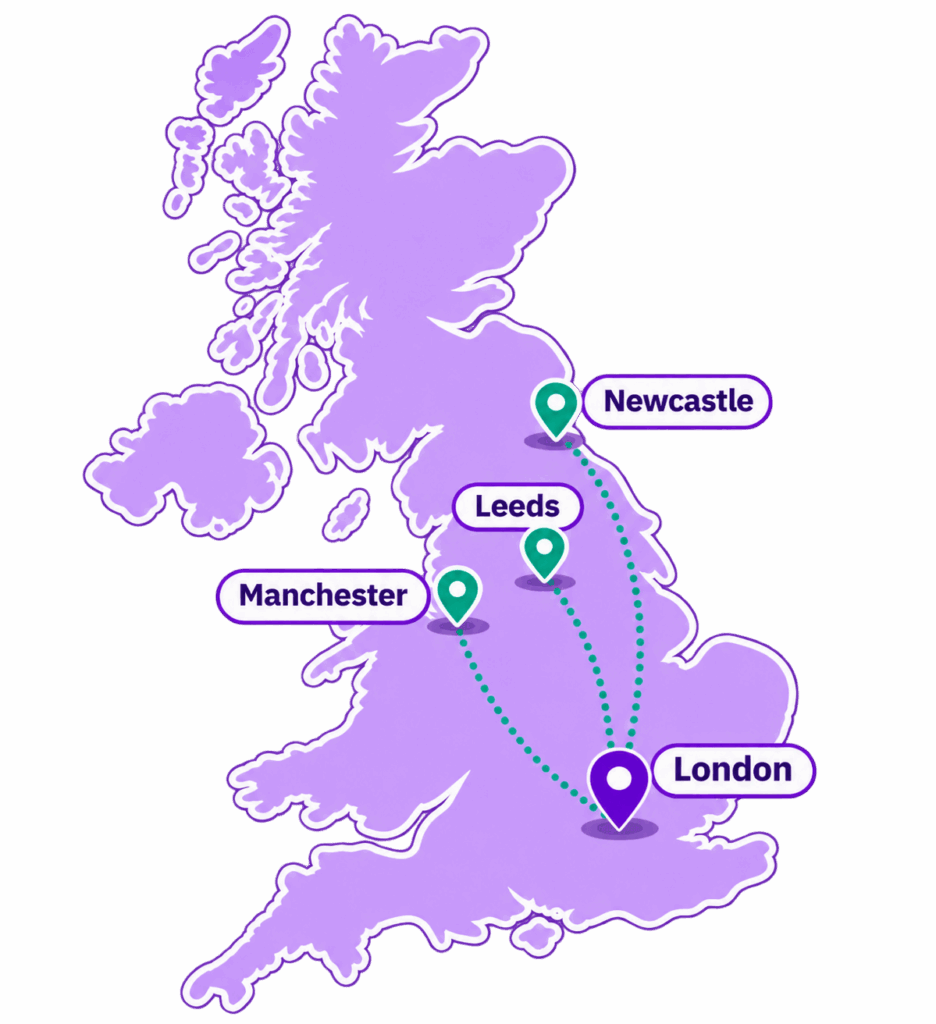
Diisco is helping connect hospitality venues and workers across key UK cities, including: London, Manchester, Leeds and Newcastle.
From independent restaurants and busy city-centre pubs to growing hospitality groups, businesses can use Diisco to post shifts and connect with workers interested in flexible opportunities.
Whether you’re preparing for a busy weekend, managing seasonal demand or looking to cover an unexpected staffing gap, having access to flexible workers can support more responsive workforce planning.
The Future of Hospitality Staffing Is Flexible
Hospitality staff shortages can create financial, operational and reputational challenges for businesses of all sizes. Lost sales, employee pressure, recruitment expenses and management time all contribute to the wider cost of an understaffed venue.
However, businesses do not have to rely on a single approach to recruitment. By combining strong permanent teams, effective workforce planning and flexible staffing solutions, hospitality operators can build a more adaptable approach to managing their staffing requirements. As the UK hospitality industry continues to evolve, the ability to respond to changing workforce needs will remain an important advantage.
The goal isn’t simply to fill shifts. It’s to help venues maintain service standards, support their teams and make the most of business opportunities.
Find Hospitality Staff with Diisco
Need additional hospitality workers for your restaurant, pub, bar or hotel?
With Diisco, you can post shifts, review applications and connect directly with hospitality workers looking for flexible opportunities.
Download the Diisco app and get started today.
🍎 Download Diisco on the App Store
For Venues: Post shifts and connect directly with hospitality workers.
For Workers: Explore flexible hospitality shifts and apply for opportunities that suit your schedule.
Diisco: Connecting hospitality businesses with people ready to work.
